
Head and Neck Cancers – What You Should Know
Physical Health

“Head and neck cancers” (HNCs) are a group of biologically similar cancers that arise in the mouth, lip, nasal cavity, throat, salivary glands, and sinuses. Most are squamous cell carcinomas, which are tumors that originate from the skin or mucosal lining of the inside of the mouth, nose, sinuses, or throat. Other cancers that arise in the head and neck area (such as brain cancer or eye cancer) aren’t included in the category of “head and neck cancers.”
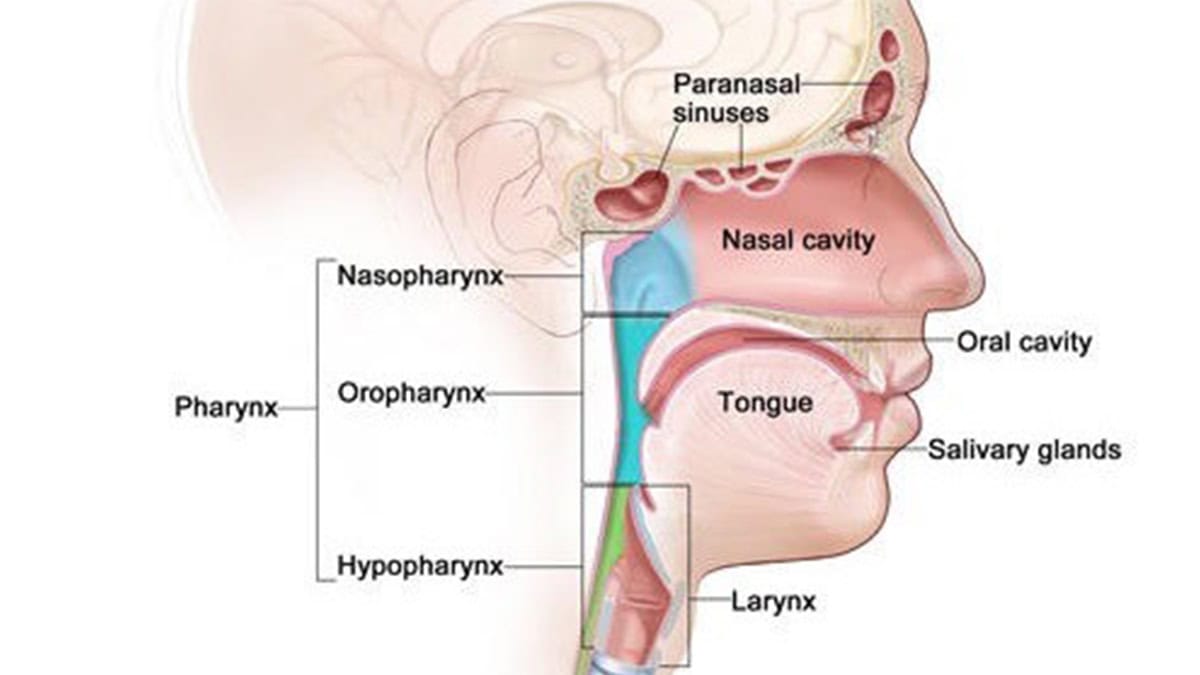
Although HNCs are grouped together, each type can behave differently depending on where it starts. Nevertheless, these cancers behave similarly in many ways. For example, if they spread, they almost always extend into adjacent tissues or nearby lymph nodes, rather than “metastasizing” (spreading) to distant body parts.
How Common Are These Cancers?
HNCs make up about 2.9% of all new cases of cancer in the United States (US), and there are about 11.6 new diagnoses per 100,000 adults per year. The death rate from these cancers is about 2.7 per 100,000 adults per year.
HNCs are on the rise globally, largely driven by sexually transmitted human papillomavirus (HPV) infections, which can cause these types of cancer (stay tuned for my upcoming article “About HPV – What Is It, Why Is It So Prevalent, and How to Prevent and Treat It”).
What Causes These Cancers?
There are a number of possible causes of these tumors, many of which are important targets for public health efforts aimed at reducing HNC occurrence. More than 70% of HNCs are linked to modifiable risk factors, meaning they are related to behaviors that can be changed—most notably tobacco use and certain sexual practices. Let’s take a closer look at these causes and risk factors.
HPV Infection
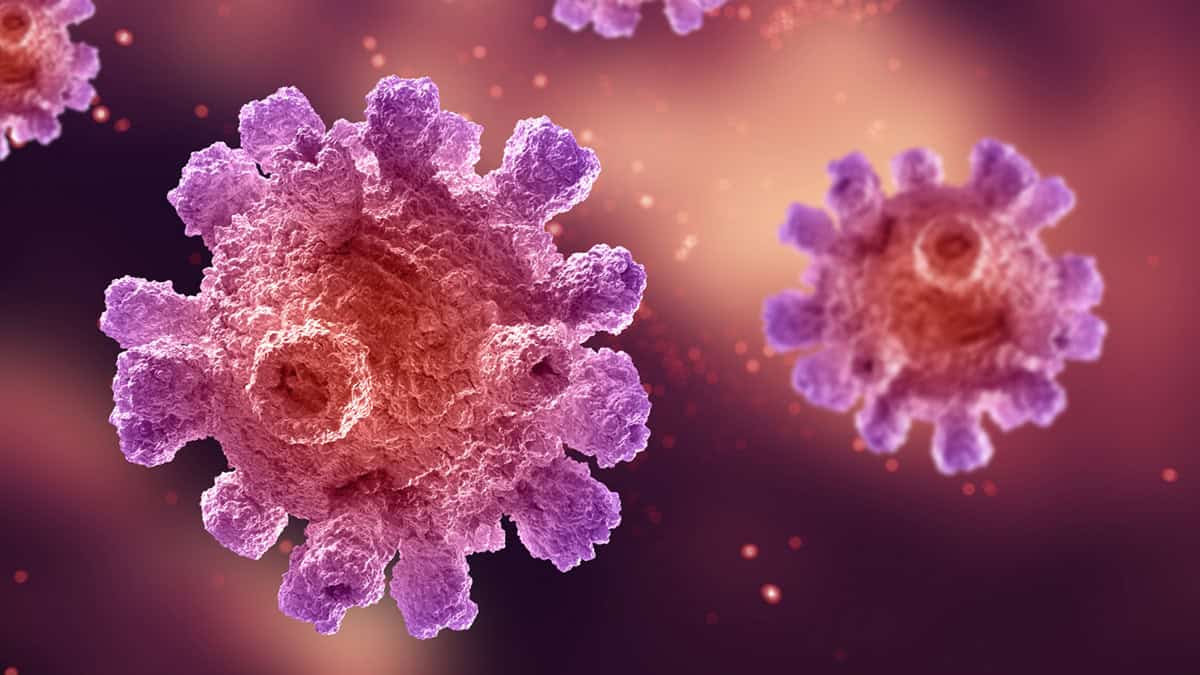
HPV is a group of viruses that includes more than 200 subtypes. It’s one of the most common viruses worldwide, and most of us will be exposed to HPV at some point in our lives. The most concerning HPV types are those spread through sexual contact, as they can lead to sexually transmitted infections (STIs) with serious health consequences. Of these HPV types, there are about 12 that are classified as “high-risk,” because they can cause various types of cancer, including HNC.
For reasons that are poorly understood, high-risk HPV infection mostly only causes HNC in the oropharynx (see anatomical diagram above). Nevertheless, HNC is an important risk factor, as it causes about 75% of oropharyngeal cancers.
Tobacco Use
Any kind of tobacco use (including smokeless tobacco, such as chewing tobacco, snuff, and tobacco pouches) is a primary cause of HNCs. Tobacco contains a number of carcinogens, agents that cause cancer primarily by causing mutations in DNA in the head and neck.
Tobacco is by far the biggest risk factor for HNC, and doubles the risk. The heavier the tobacco use and the longer the person smokes, the greater the risk. Using alcohol further increases the risks associated with tobacco use. Further, cigarette smoking negatively impacts response to treatment, recovery from treatment, and survival for those who have HNC.
What about “e-cigarettes”? Do they cause HNC? Well, we’re not sure at this point. E-cigarettes were first introduced in the US in 2007, and HNC may take decades to develop after exposure to a carcinogen, so we’re still waiting to see the effects of vaping on many aspects of our health. However, indirect evidence strongly suggests that e-cigarettes do cause cancer.
Occupational Exposure
A number of industrial fumes and toxins are risk factors for various types of HNC. This includes exposure to:
- Wood dust
- Asbestos
- Synthetic fibers
- Nickel dust
- Formaldehyde
- Benzene
- Chlorinated solvents
- Leather dust
As well, working in agriculture is also highly linked to HNC, likely due to exposure to pesticides. Certain jobs in the metal, ceramic, construction, textile, logging, and food industries may also convey an increased risk of HNC.

Radiation Exposure
Exposure of the head and neck to radiation (such as from X-rays or radiotherapy) is a risk factor for some types of HNC.
Epstein-Barr Virus (EBV) Infection
Infection with EBV (one of the viruses that causes infectious mononucleosis) is a risk factor for some types of HNC.
Genetics
Asian ancestry (especially Chinese), a family history of any kind of cancer, and some genetic disorders increase the risk of HNC.
Other risk factors for HNC include:
- Diabetes
- Obesity
- Drinking hot beverages
- Betel quid and areca nut use
- Alcohol use (especially in smokers)
- Unhealthy diet (especially if low in fruits and vegetables)
- Poor cholesterol profile
- Poor oral hygiene
Sometimes HNCs occur for no apparent reason. About 42% of women and 26% of men who develop HNC have no known risk factors.
What Are the Symptoms of HNC?
The symptoms of HNCs are often similar across the different types of cancer, although some tumors may have more specific signs. Many of these symptoms can also be caused by common conditions like a cold or infections of the sinuses, ears, or throat. However, they become concerning when they persist, especially if they last 2 weeks or more. The most common symptoms include:
- Persistent neck or throat pain
- Persistent pain when swallowing (odynophagia)
- Difficulty swallowing (dysphagia)
- Hoarse voice or voice changes
- Ear pain (otalgia), ringing in the ears (tinnitus), or reduced hearing (especially when only on one side)
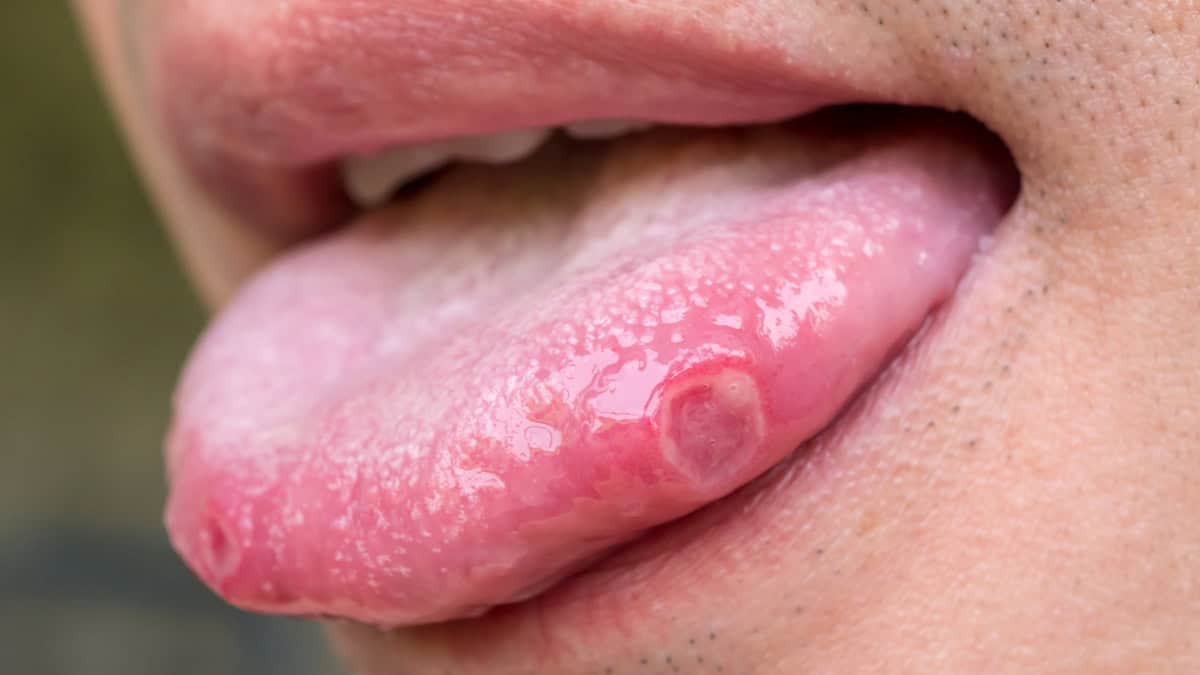
- White or red patches or sores on the gums, tongue, or lining of the mouth
- Swelling or a lump on the jaw that makes dentures fit poorly or teeth misalign
- Unusual pain in the mouth
- Bleeding in the mouth, or spitting up blood
- Difficulty breathing
- Swollen lymph glands in the neck
- Difficulty speaking
- Chronic sinus congestion or fullness that does not respond to treatment
- Nosebleeds
- Frequent frontal/sinus headaches
- Swelling under or around the eyes
- Pain in the upper teeth
- Swelling under the chin or jaw
- Facial pain, neck pain, jaw pain
- Numbness or muscle weakness in the face
- Unexplained weight loss
How Are These Cancers Diagnosed?
Because there are no routine screening tests for HNCs, the diagnostic process usually begins when the person makes an appointment with their physician due to concerning symptoms. However, sometimes these cancers are discovered during a routine health exam, such as an annual physical, a dental exam, or an employment physical.
Diagnosis begins with your physician collecting information about your health history, your family history, your risk factors, and your symptoms and concerns. They’ll examine you, with emphasis on your head and neck area. If they’re concerned that you may have an HNC, or if they just want to rule it out with certainty, they’ll likely arrange imaging tests as the next step.
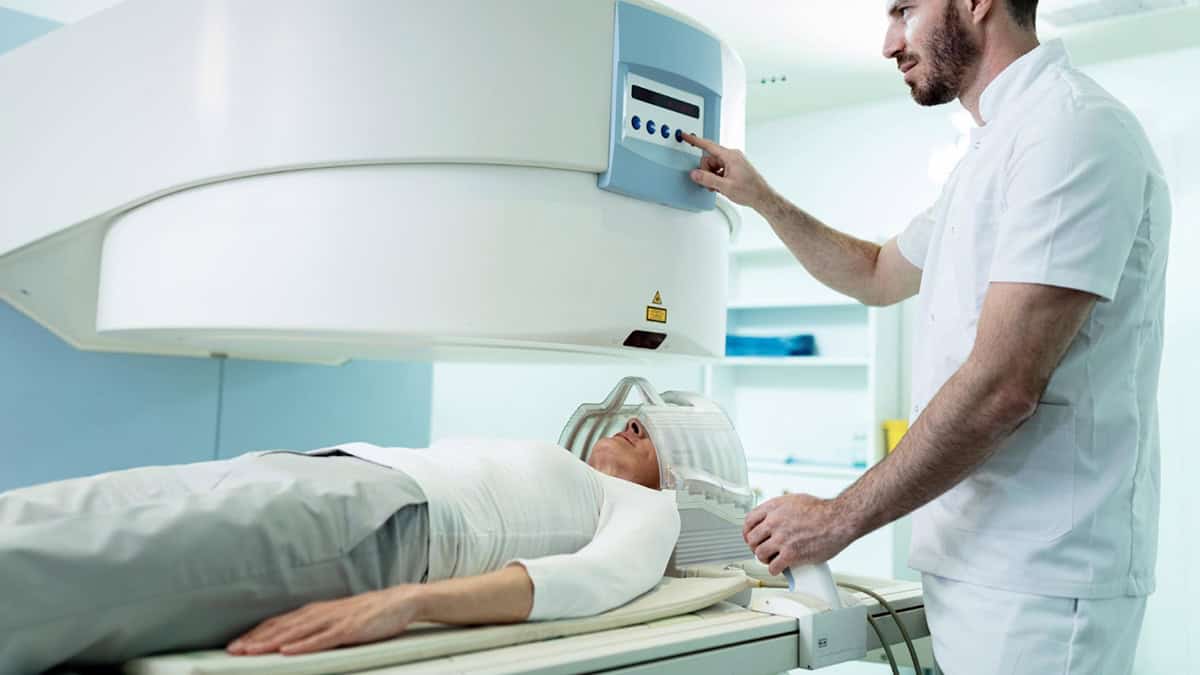
Imaging tests may include plain X-rays, a computed tomography (CT) scan, or a magnetic resonance imaging (MRI) scan of the affected area. Imaging tests are usually able to identify or rule out an HNC that is developed enough to cause symptoms with a high degree of certainty. However, if there’s doubt, your doctor may arrange for follow-up imaging several months later to make sure that an early HNC wasn’t missed.
If an HNC is identified by imaging tests, the size, location, and extent of spread of the cancer are noted, and the information is used to help “stage” the tumor. Tumors are staged to describe their degree of development, their size, and the amount of spread. The tumor stage helps doctors determine the prognosis and the most effective treatment options.
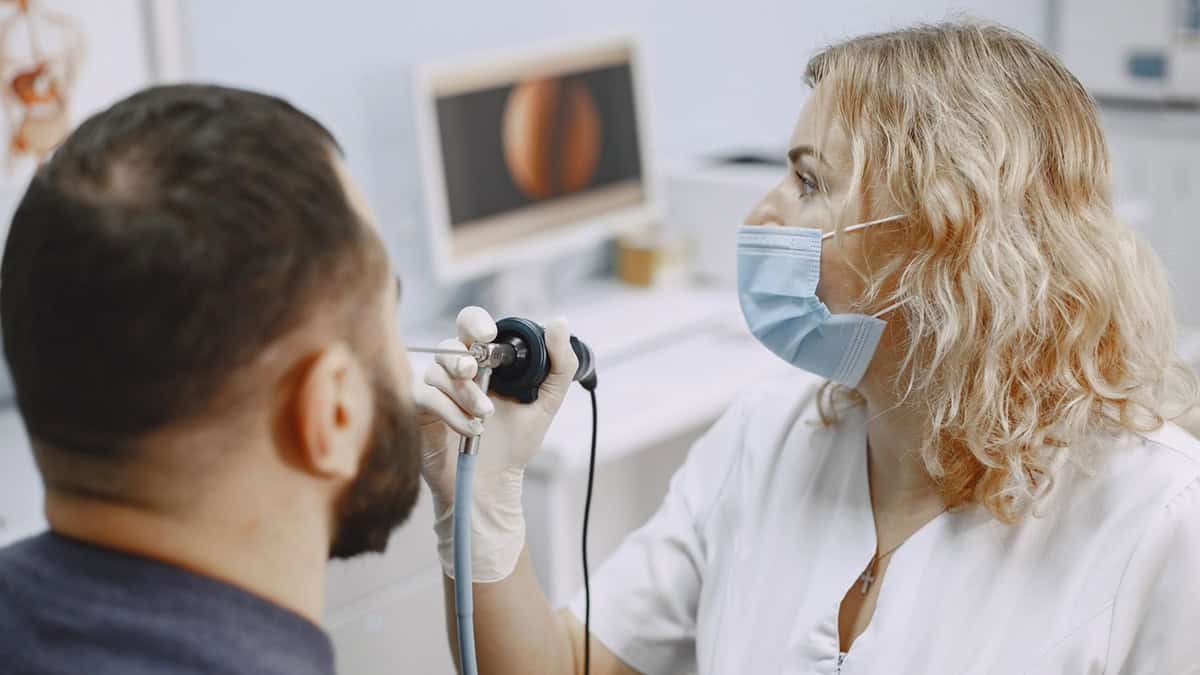
The next step in diagnosis is to obtain a tissue biopsy—a sample of the cancer that can be examined under the microscope in the lab to confirm the diagnosis and further stage the tumor. If the tumor isn’t easily visible and accessible (such as on the gums), an endoscopic examination will be done to visualize the tumor and take a sample. The endoscopic exam involves inserting a thin flexible tube (a laryngoscope) with a camera through the mouth or nose and advancing it to the location of concern.
How Are HNCs Treated?
Treatment for HNCs is highly personalized. It’s tailored to the specific type of cancer, the tumor’s stage, location, and characteristics (such as whether the tumor is HPV-positive), and the patient’s overall health, expectations, and wishes.
Treatment is “multidisciplinary,” involving many types of healthcare professionals, such as surgeons, medical oncologists, radiation oncologists, and rehabilitation specialists. Treatment may include some or all of the following:
- Surgery to remove the tumor with “margins” (an area around the tumor in case there is microscopic spread), often with removal of the lymph nodes on the same side of the neck. When necessary, reconstructive surgery may be done to restore speech, swallowing, and cosmetic appearance.
- Radiation therapy focused on the tumor and surrounding area. This may be before or after surgery, or as a primary treatment.
- Chemotherapy alone or in combination with radiation (chemoradiotherapy) to destroy cancer cells.
- Targeted therapy, which involves using drugs that target specific molecular features of the tumor’s cells.
- Immunotherapy, which uses drugs that help the body’s immune system attack the cancer.
- Rehabilitation with speech and swallowing pathologists and other professionals to help recover function after treatment.
What’s the Prognosis for HNCs?
HNCs have a high cure rate when detected early. However, the expectations for outcomes are heavily person-specific and depend on the type and stage of cancer, the person’s overall health, and the treatment received. For example, the standard treatment for localized HNC is surgery or radiotherapy, which correlates with a 5-year overall survival rate of 70% to 90%. For advanced HNC with more aggressive treatment, the 5-year overall survival rate is 25% to 60%, but extends to more than 80% for HPV-associated oropharyngeal cancer.
Patients who are active smokers have a higher risk of cancer recurrence and death. Oropharyngeal cancers that are HPV-related have a significantly better prognosis, with better treatment response and improved survival rates than HPV-negative tumors.
How To Prevent HNC
As many as 80% of HNCs are preventable. While not all risk factors are modifiable (see “What Causes These Cancers?” above), many are a matter of making some lifestyle choices. The big three preventative measures are:
- Reduce the risk of infection with high-risk HPV
- Eliminate all forms of tobacco use
- Reduce or eliminate alcohol use
Reducing the risk of high-risk HPV infection can be done through vaccination with the HPV vaccine, especially before age 17 or prior to becoming sexually active, and practicing safer sex (including reducing the number of sexual partners and using barrier protection).

Other measures for reducing risk include:
- Sun protection for the lips using SPF-rated lip balm, sun avoidance, and wide-brimmed hats
- Maintaining good oral hygiene
- Regular visits to the dentist
- A healthy diet rich in fruits and vegetables
- Maintaining a healthy body weight
- If working in a job that involves exposure to high-risk industrial particles or fumes, wearing proper protective gear
- Regular annual health exams and dental exams
Take-Home Message
HNCs affect areas in the mouth, lips, throat, nasal passages, and sinuses. Most are preventable because they’re caused by risk factors that can be reduced or eliminated with lifestyle choices. High-risk sexually transmitted HPV infection and tobacco use are the biggest risk factors and are responsible for most HNCs.
Early symptoms may be subtle or resemble a common cold or infection of the throat or sinuses. However, persistent or unusual symptoms should prompt a visit to a physician. Treatment is often effective, especially if the HNC is caught early.
Knowledge is a powerful tool for protecting yourself and your family from HNCs. Understanding the risk factors, recognizing early symptoms, and seeking care promptly can make a significant difference. Taking simple steps today, like vaccination and avoiding tobacco, can help protect your health for years to come.
References:
US National Cancer Institute website
Journal of the American Medical Association
International Journal of Environmental Research and Public Health
Cancer Research Institute website
American Society of Clinical Oncology website
US National Comprehensive Cancer Network Guidelines
Centers for Disease Control and Prevention website
US National Foundation for Infectious Diseases website
Harvard Health Publishing website
American College of Surgeons website


